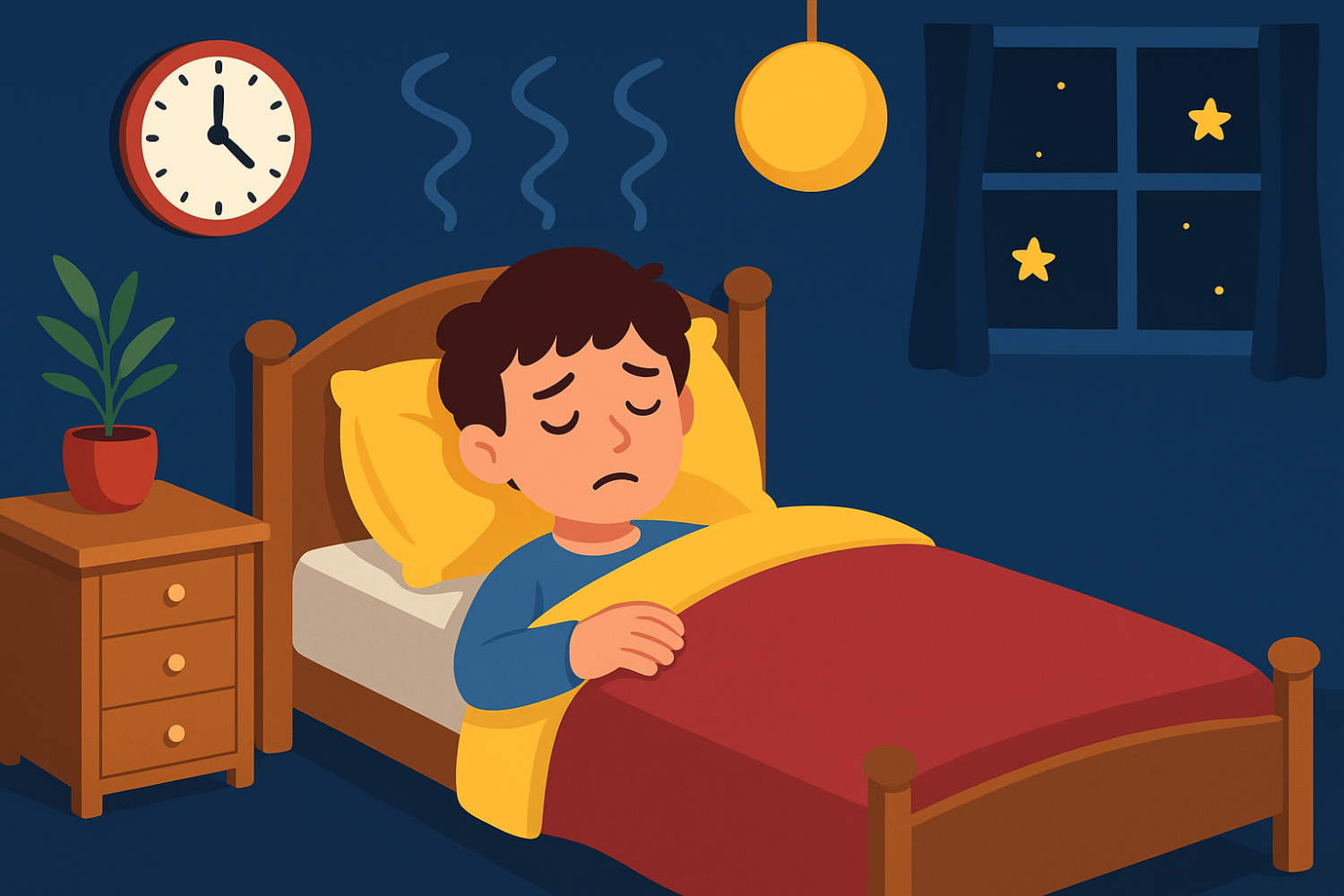
You wake up after a full 8 hours of sleep, eat a proper breakfast, yet still feel sluggish, mentally foggy, and emotionally off – as if a storm is brewing inside you. If you think you’re doing everything right- getting enough sleep, eating healthy- but still can’t shake the fatigue, the answer might lie in your biorhythm.
Biorhythm: Your body’s natural energy symphony
Biorhythm is the natural cycle that regulates three key types of energy in your body: physical, emotional, and intellectual. From the day you were born, these three cycles have been continuously operating, rising and falling like waves:
– Physical Cycle (23 days): Influences strength, stamina, and physical coordination.
– Emotional Cycle (28 days): Affects mood, sensitivity, and social connections.
– Intellectual Cycle (33 days): Governs logic, creativity, and problem-solving abilities.
Each cycle moves in a sine wave pattern, bringing “highs” (when energy peaks) and “lows” (when energy dips). When one or more of these cycles hit a low, you may feel tired, unmotivated, or emotionally reactive – even if you’ve had enough sleep.
Enough sleep doesn’t always mean enough energy
Getting 8 hours of sleep is often seen as the golden rule for a productive day. But in reality, sleep quality is just one part of the equation. If your physical cycle is in a low phase, you might still feel lethargic and slow, even after proper rest. Similarly:
– Low Emotional Cycle: You might feel unusually lonely, sensitive, or affected by small remarks that stick with you all day.
– Low Intellectual Cycle: Your mind may feel foggy, making it hard to concentrate, decide, or come up with ideas.
These states are not signs of weakness or lack of effort – they are natural signals from your body, telling you it’s time to rest or adjust your pace.
Why understanding your biorhythm helps you live better
Being aware of and respecting your biorhythm can transform how you manage each day. Instead of forcing yourself to always be upbeat and productive, you can:
– Plan smartly: Schedule key tasks – like meetings, presentations, or workouts – on days when your energy peaks.
– Practice self-care at the right time: On low-energy days, prioritize rest, meditation, or lighter activities like walking or reading.
– Manage emotions effectively: If your emotional cycle is low, avoid conflict-prone situations or stressful conversations.
Understanding your biorhythm helps reduce frustration from “being tired even after enough sleep” and allows you to optimize performance while living in harmony with your natural rhythm.
4 steps to apply biorhythm for healthier, more efficient living
– Check Your Biorhythm Chart: Use tools like Astroreka to track your daily energy status. Simply enter your birth date to get detailed insights on which energies are dominant today.
– Listen to Your Body: When you feel off or drained, consult your biorhythm chart for clarity. Don’t blame yourself—it may just be a natural low phase.
– Align Your Schedule: Match demanding tasks—physical, creative, or social—with high-energy days. For example, solve complex problems on high-intellectual days, or build relationships on high-emotional days.
– Accept and Adapt: On low-energy days, allow yourself to slow down. A short nap, a gentle walk, or a few minutes of meditation can help you recharge.
Discover your biorhythm today
👉 In just a few seconds on Astroreka, you’ll know when to speed up and when to slow down – so you can live healthier, more productively, and in better balance every day. [Check your biorhythm chart here]